Threads of circularity
The making of Marimekko Maridenim

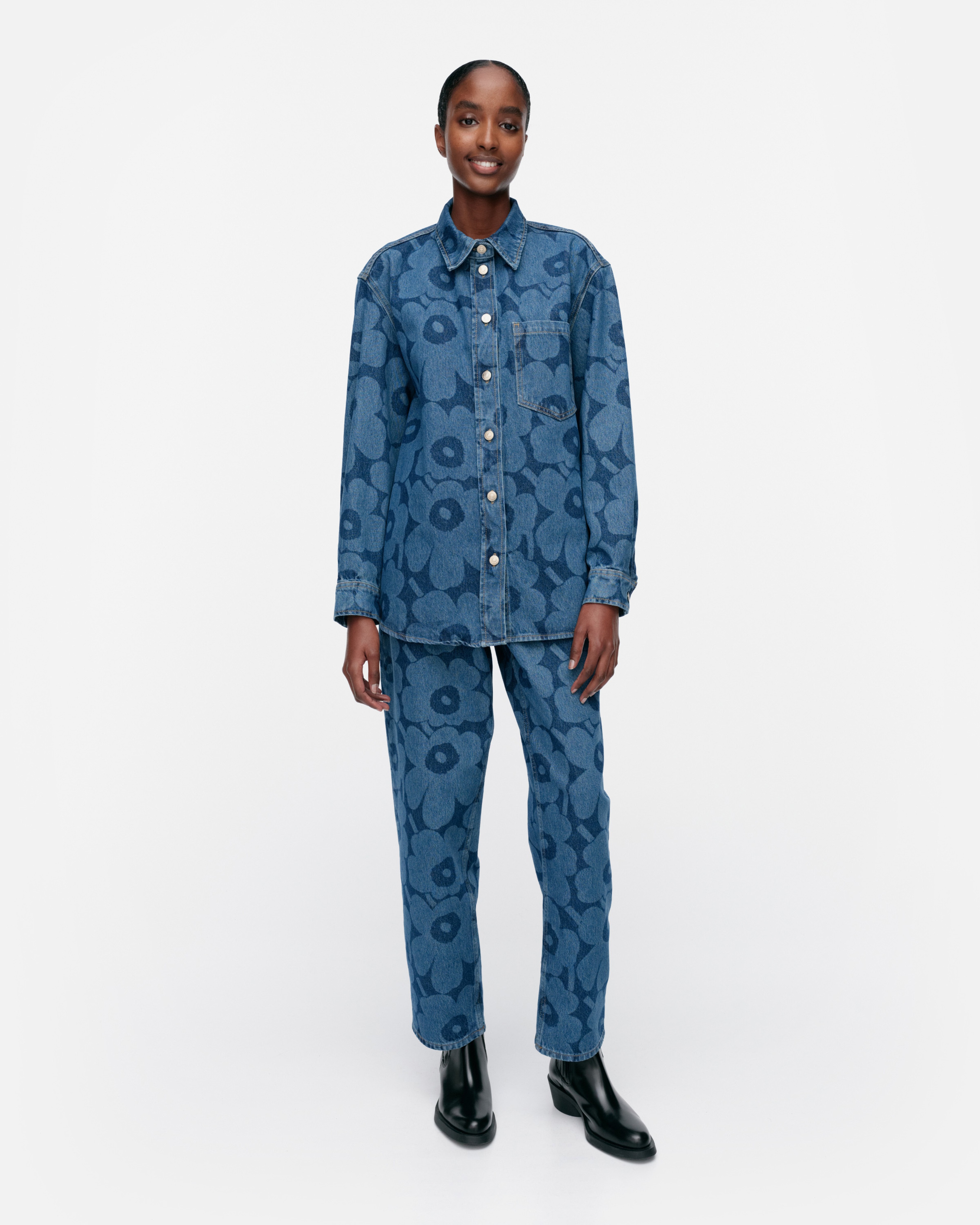
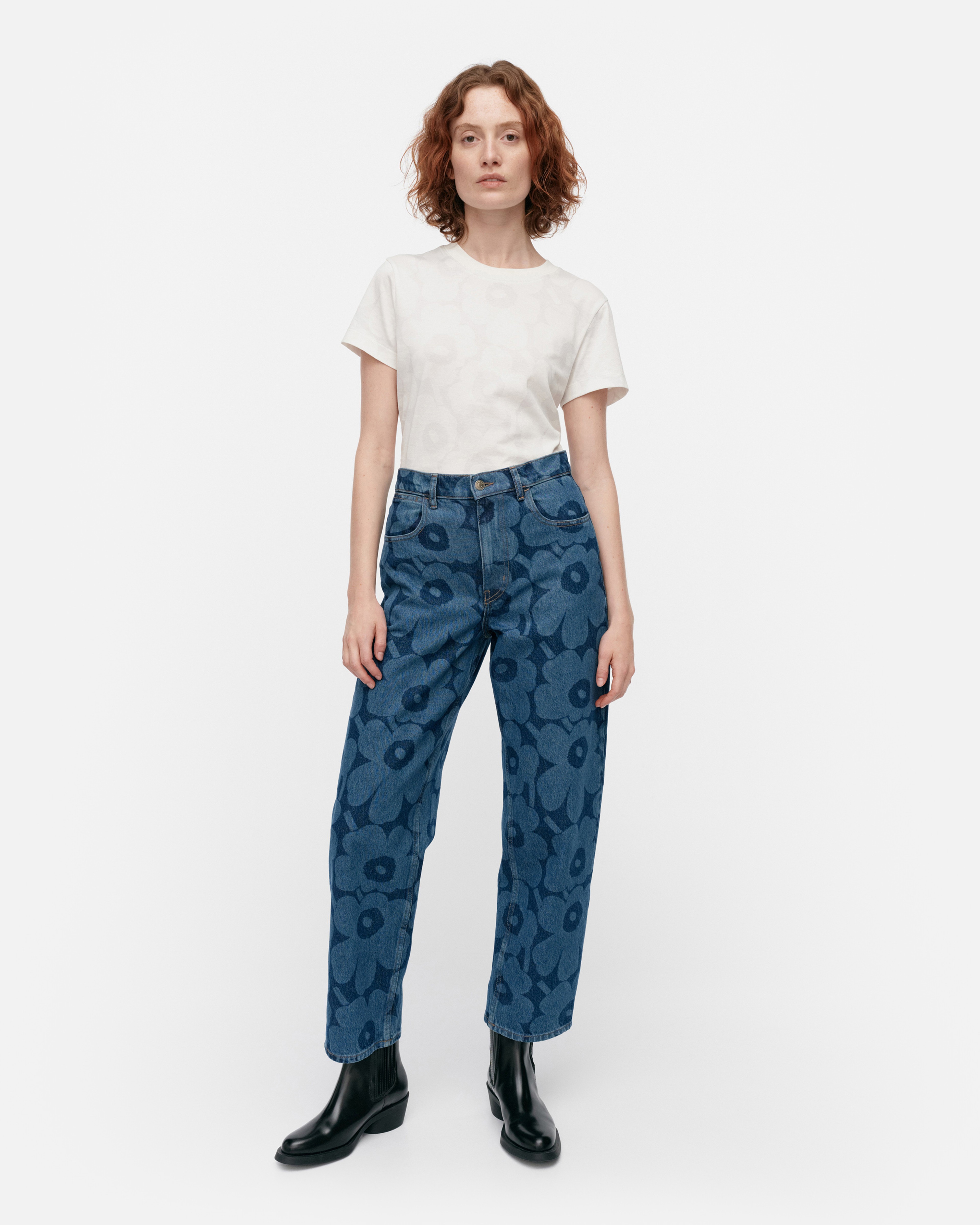
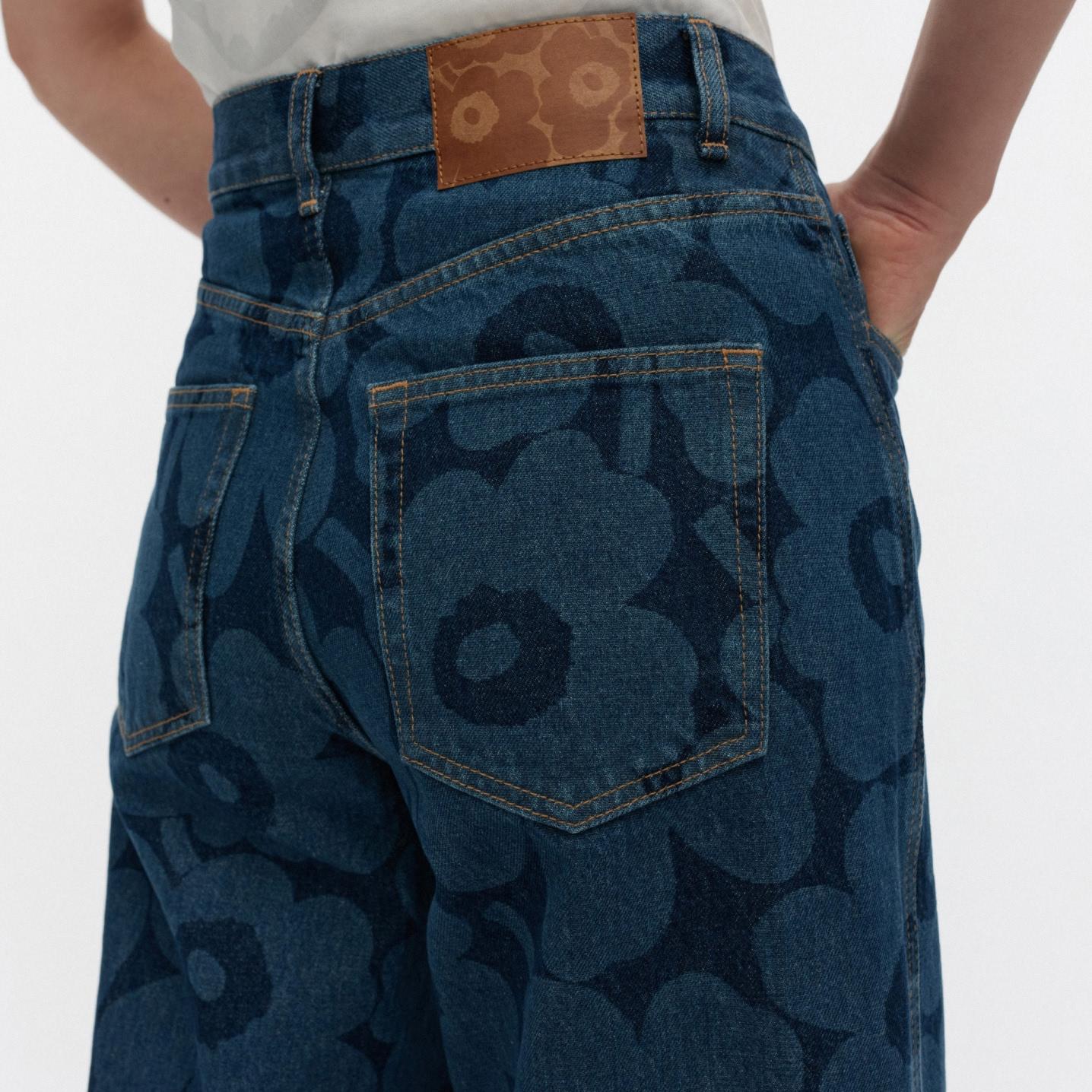
In 2024, Marimekko took on a challenge: to create a product category that would serve as a new canvas for our art of printmaking. Enter Marimekko Maridenim, a collection that brought us into new territory. With its distinctive texture and finish, denim stood apart from our usual materials. Yet from the start, it felt like a natural fit: a versatile wardrobe staple, equally at home with bold prints, cozy knits or a polished pair of heels.
At Marimekko, every new venture begins with a holistic view: from raw materials and design to production, care and what happens after a garment’s first life. For Maridenim, we wanted to go even further.
“To guide us in this work, we decided from the get-go to follow the Ellen MacArthur Foundation’s Jeans Redesign Guidelines,” explains Helle Bengtsen, Denim Designer.
These guidelines, developed by experts across industry, academia and NGOs, set a standard for designing jeans in line with circularity, covering durability, traceability, recyclability, and the use of safe materials and processes.
“The intention is to transform the way jeans are designed and made—so that they are used more, made to be made again and crafted from safe and recycled or renewable inputs,” Helle offers an explanation.
What circularity means to us
Circularity aims to keep materials in use for as long as possible. It’s about creating systems where products are maintained, reused, remanufactured and eventually recycled—minimizing waste and maximizing value.
“It’s a mindset shift, from linear to circular. And it’s something we’re embedding more deeply into every part of our design process, with Maridenim being a great example,” celebrates Tytti Kotipelto, Sustainability Communications Manager.
Built to last, in every way
The first principle of the guidelines is: ‘Jeans are used more—designed and manufactured to last’.
“In Maridenim, the product is designed to withstand wear, and its style remains relevant and desirable, encouraging the user to return to it time after time,” says Helle.
Tytti adds: “Emotional durability has always been central to Marimekko. Our aim is to create timeless designs that bring joy for generations.”
And it matters. According to the Ellen MacArthur Foundation, doubling the lifespan of clothing could reduce the industry’s emissions by up to 44 percent. That’s a powerful reminder that living sustainably isn’t just about what we make—it’s about how long we keep it. To support longevity, the Guidelines also emphasize educating users on proper care. For Marimekko Maridenim, care instructions are printed inside the front pocket, detailing washing frequency and temperature.
“We aim to create long-lasting items, but their longevity also depends on the user—how often the jeans are washed and how they’re used. Washing wears down fabrics and colors, so we recommend washing sparingly and, when possible, airing them instead,” Helle explains.
Circular by design
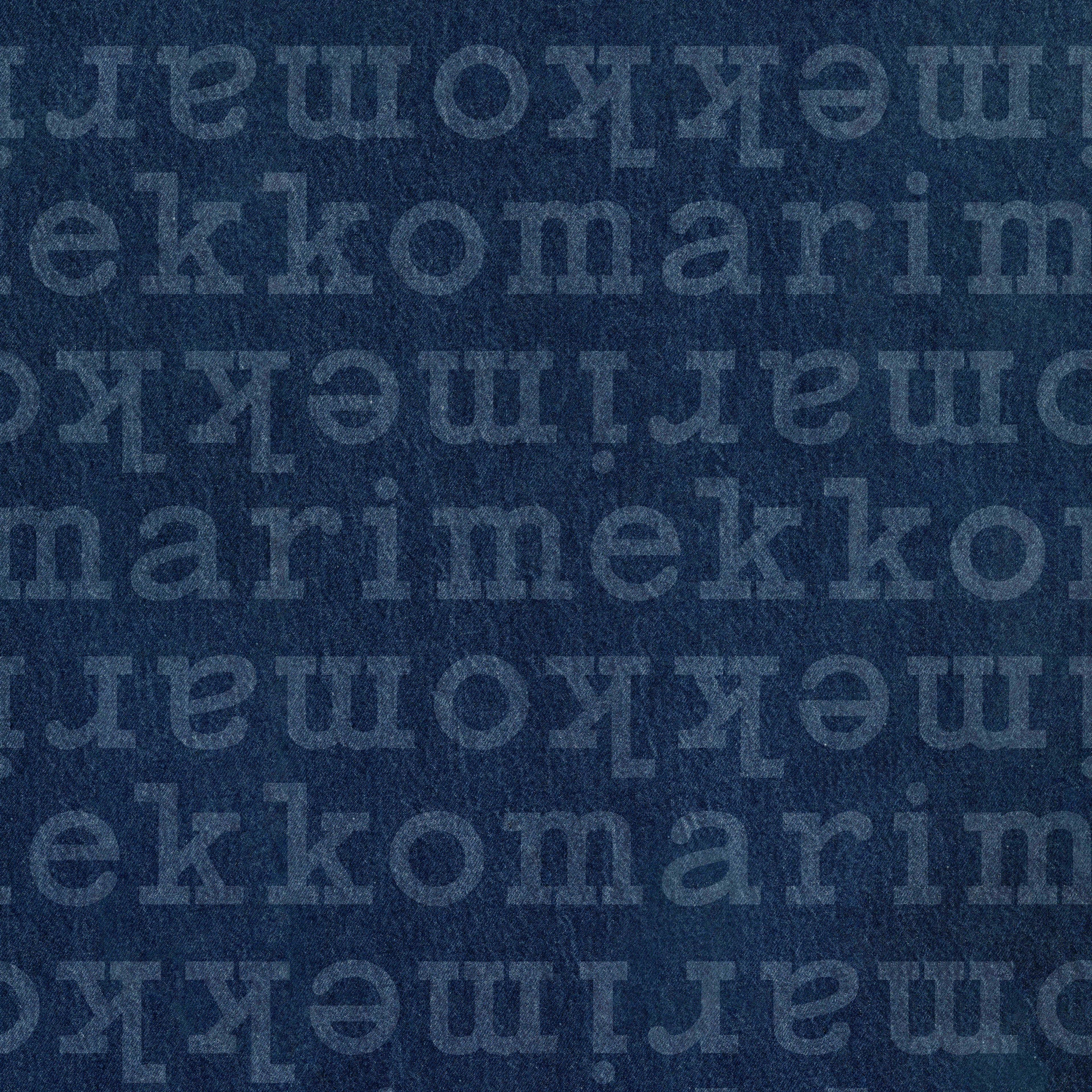
The second principle—'Jeans are made to be made again’—focuses on recyclability. That’s why Maridenim uses 100% cotton: either fully organic or a blend of 80% organic and 20% recycled cotton.
“Mono-materials are preferred over blends to align with current recycling technologies,” explains Helle and continues: “Buttons are also removable, and rivets are replaced with bartacks to support disassembly and reuse.”
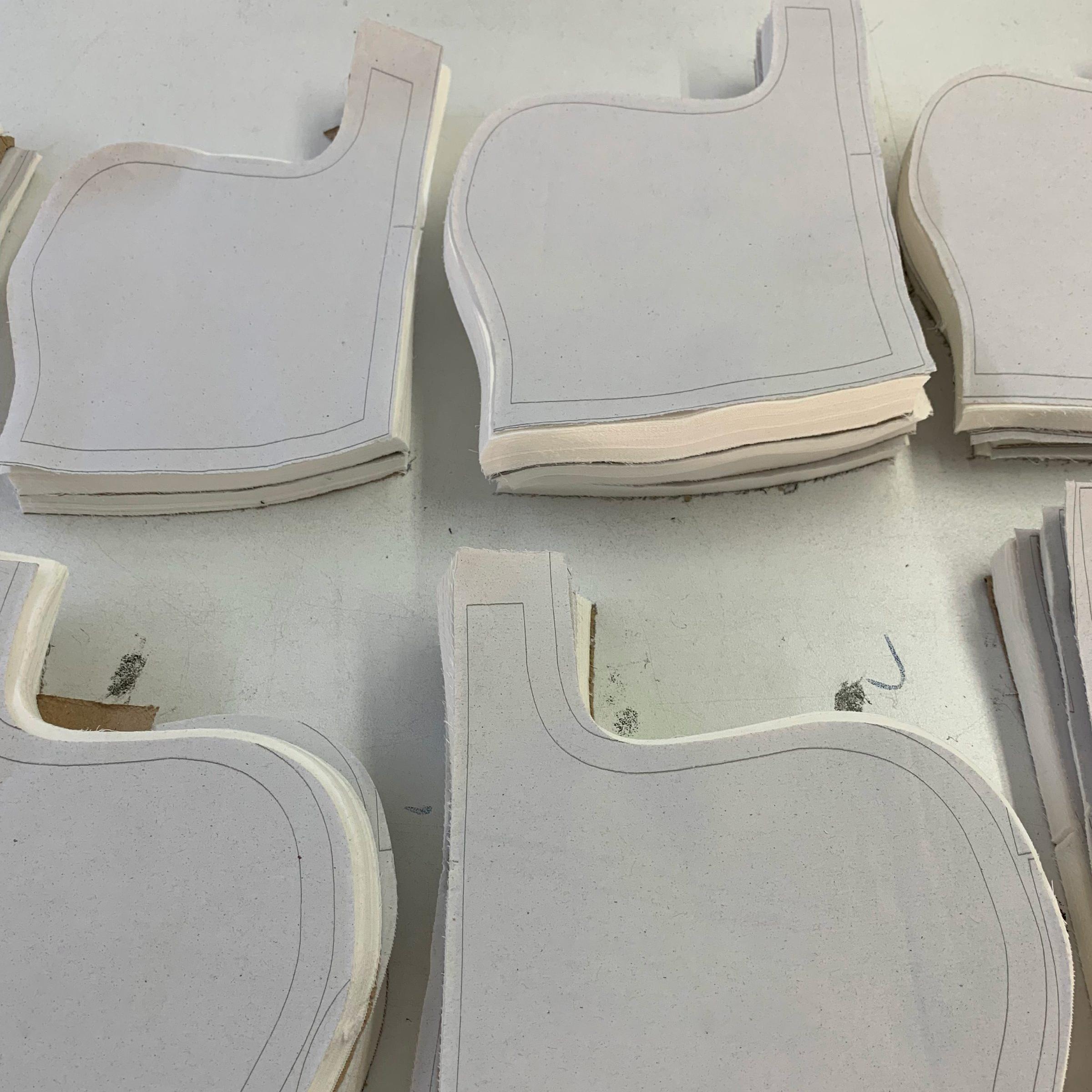
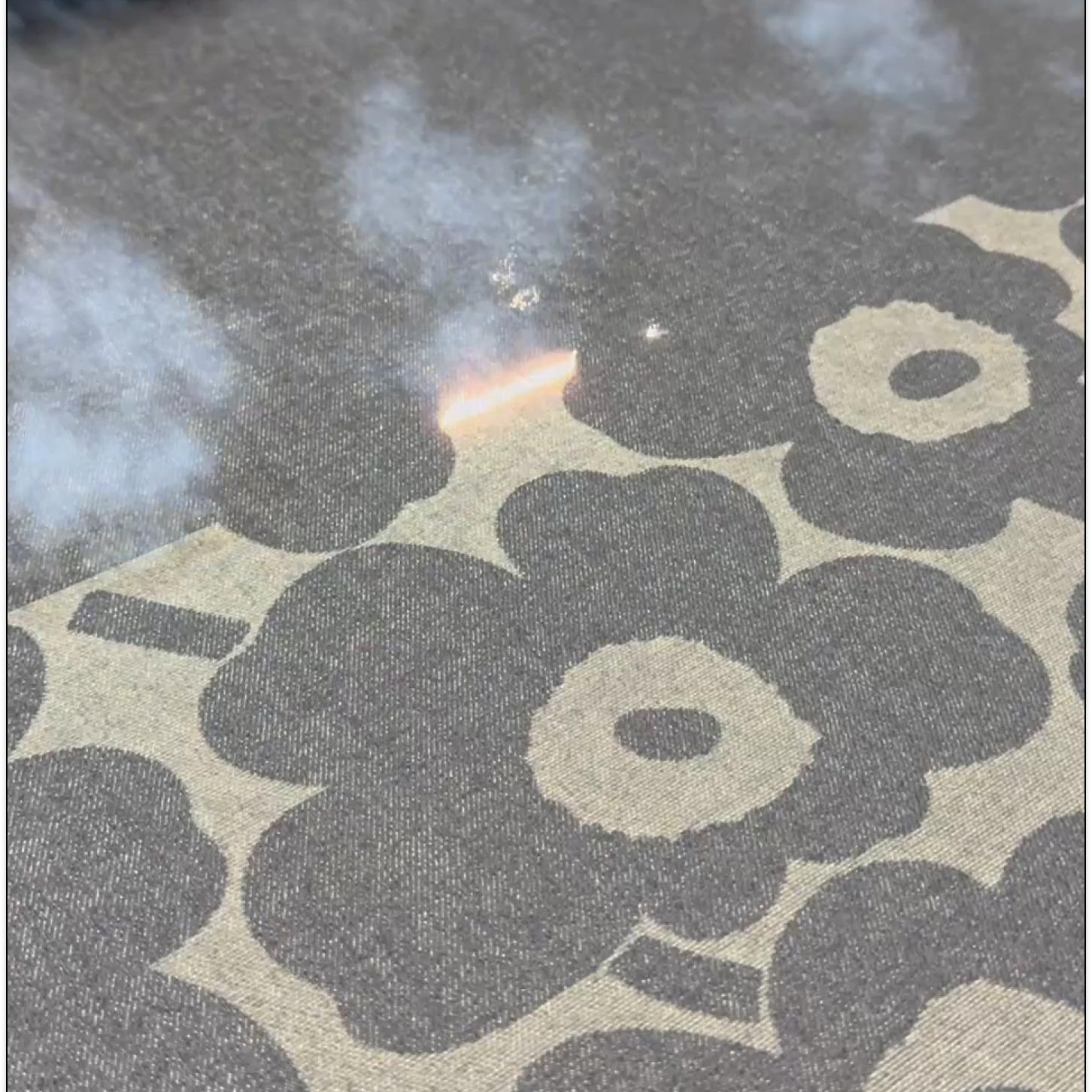
The third principle ‘Jeans are made from safe and recycled or renewable inputs’ emphasizes using organic, or even regenerative, fibers. With Marimekko Maridenim, we avoid harmful chemicals and conventional denim treatments. Instead, we use AcroPlated buttons and zippers, and rely on laser, ozone and E-Flow technologies to achieve the desired look without compromising safety or durability.
Transparency was a key goal for Maridenim, from raw material to finished piece.
“With Maridenim, we know our supply chain down to the raw material level. Achieving this level of transparency is no small feat in the textile industry,” says Lotta Becker-Westin, Marimekko Maridenim’s Product Developer.
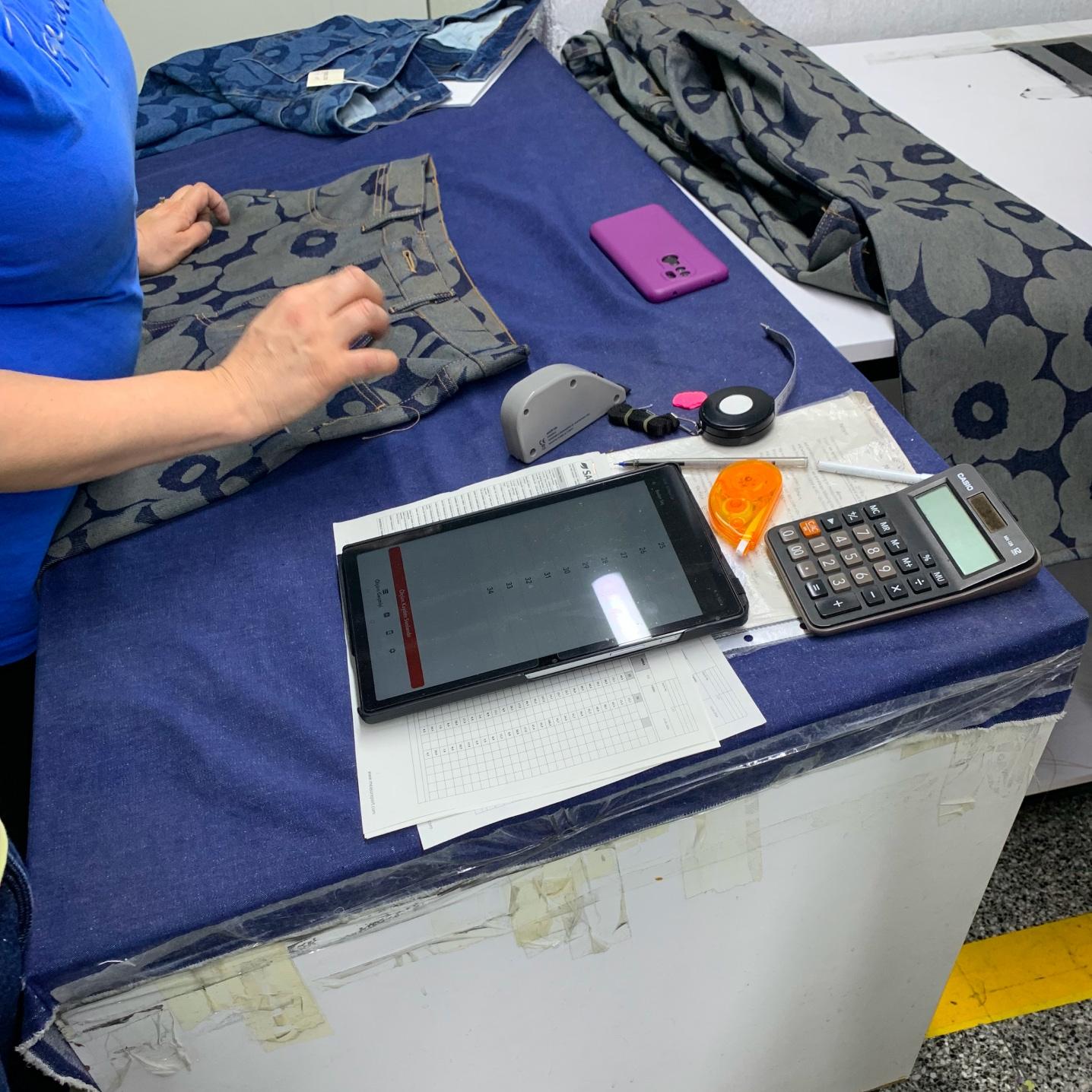
Our partners in Türkiye—who also participate in the Jeans Redesign program—gin, spin, dye, and weave the denim locally. They also grow the organic cotton and supply the recycled cotton used in the products. What’s more, all suppliers are third-party audited for social responsibility.
“In addition to denim expertise, we prioritized partners committed to improving environmental performance: managing water, electricity, chemicals and waste,” adds Lotta.
Reflecting on Marimekko’s commitment to sustainability, Tytti concludes:
“Maridenim is a perfect example of realizing our sustainability strategy—where timeless design, material and process decisions pave the way for better choices in social responsibility that also support circularity. And what’s even greater, we are going beyond jeans! We have created a Framework for Circular Design to guide us in applying circular design principles to other Marimekko products, too.”